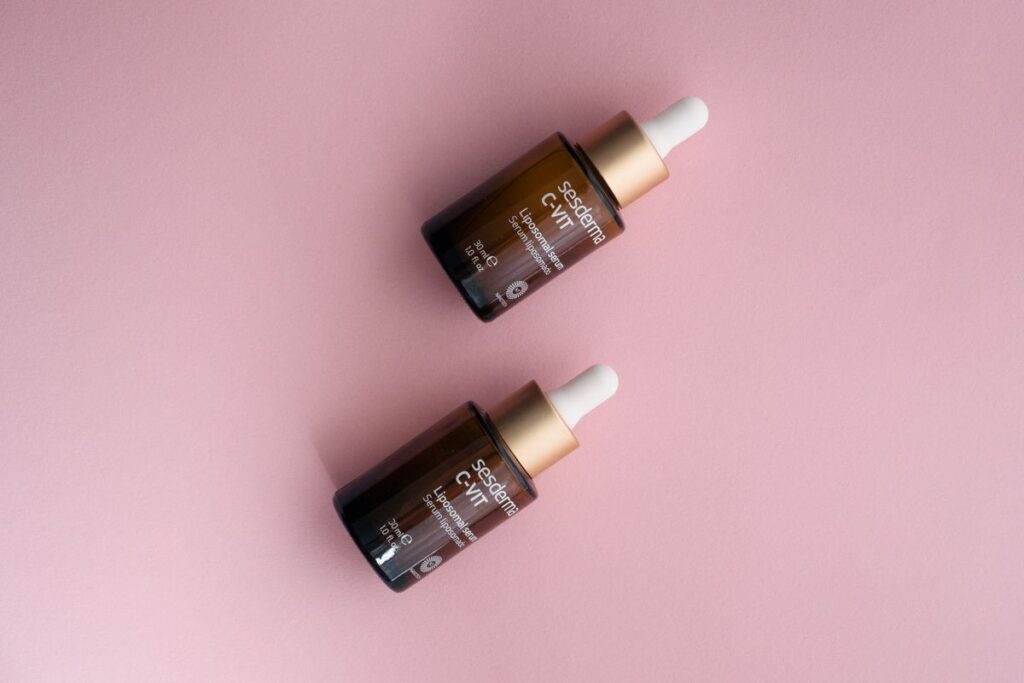
Quick Answer: Hyaluronic acid helps skin hold moisture, which can make it look plumper and feel softer. Apply it to slightly damp skin after cleansing, then seal it in with a moisturizer. It suits most skin types and pairs well with almost any routine.
Key Takeaways
- It supports hydration, not exfoliation or brightening.
- Best applied to damp skin, then sealed with moisturizer.
- Suits most skin types, including sensitive skin.
- Pair with sunscreen in the daytime.
- It helps retain water already present in skin.
What Is Hyaluronic Acid?
Hyaluronic acid is a substance naturally present in the skin that helps retain water. In skincare products, it draws moisture toward the skin’s surface and helps keep it there, which is why it’s so common in hydrating serums and creams.
What Does It Do?
By holding water, hyaluronic acid helps skin feel hydrated and appear smoother and more supple. It doesn’t add oil, so it works for both dry and oily skin types that need more moisture without greasiness.
Potential Benefits
- Softer, more comfortable skin.
- A smoother-looking surface.
- Helpful in dry climates or heated indoor air.
- A good base layer under other products.
Who May Benefit?
Dry, dehydrated, and mature skin often like it most. Oily and combination skin can also use light gels containing it. Because it’s generally well tolerated, it’s a common first “active” for beginners.
How to Use It
- Apply to damp skin right after cleansing.
- Follow immediately with moisturizer to lock in the water.
- Use morning and/or night as part of your hydration step.
What Should You Avoid Mixing With It?
Nothing major—hyaluronic acid is easy to combine with most ingredients. If skin feels tight after using it alone, the usual fix is simply adding a moisturizer on top.
Possible Side Effects
Side effects are rare. In very dry air, applying it without a sealing moisturizer can sometimes leave skin feeling tight, because it may draw moisture from skin to the surface and lose it to the air. The cream-on-top step prevents this.
Beginner Tip
Apply the serum to damp skin, then immediately moisturize. That simple order makes the biggest difference.
Things to Avoid
- Using it alone in very dry air without a cream on top.
- Assuming more product means more hydration—a thin layer is enough.
Common Mistakes
Applying to bone-dry skin and skipping moisturizer, which can feel counterproductive. The “damp skin + cream seal” method is the key habit.
Tips for Better Results
- If skin is already dry, mist with water before applying.
- Layer it under your usual cream morning and night.
- Look for it in both serums and moisturizers if you want simplicity.
Who It Is Suitable For
Most people, including sensitive skin, since it is generally well tolerated and non-irritating.
When to Seek Professional Advice
If irritation appears despite gentle use, pause and consult a professional to rule out other causes.
FAQ
Can I use it with vitamin C?
Yes, many routines include both. Order by texture—lighter first, then thicker.
Is it only for dry skin?
No, oily and combination skin can use light hyaluronic gels for weightless hydration.
How often should I use it?
Daily, morning and night, as part of hydration.
Does it add water to skin?
It helps hold existing moisture; a damp base and a moisturizer help it work best.
Can it replace my moisturizer?
Usually not—a serum hydrates, but the cream seals it in. Together they work better.
Your Beauty Partner
Hydration is the quiet hero of glowing skin. Learn more beauty ingredients with Beauties Glow.